

29 Sep Hand Rehabilitation with Training Wall: Grip, Movement and Progressive Control
Gripping, reaching and turning the hand involve coordinated movement across the fingers, wrist, forearm, elbow and shoulder. In rehabilitation, the challenge is to introduce these demands at an appropriate level and connect them with the activities the person needs to recover.
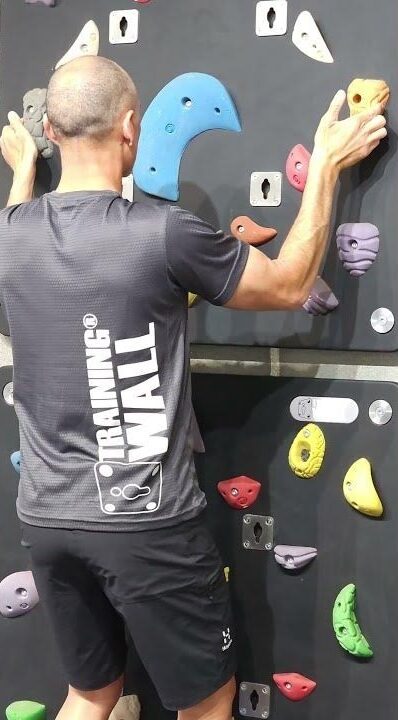
The Training Wall Climbing Panel provides different contact points for exploring grip and upper-limb positioning within a supervised exercise programme. The demonstration below introduces several possibilities: varying the grip, changing forearm orientation, adjusting elbow and shoulder positions, and incorporating additional support or balance challenges when appropriate.
Different holds, different grip demands
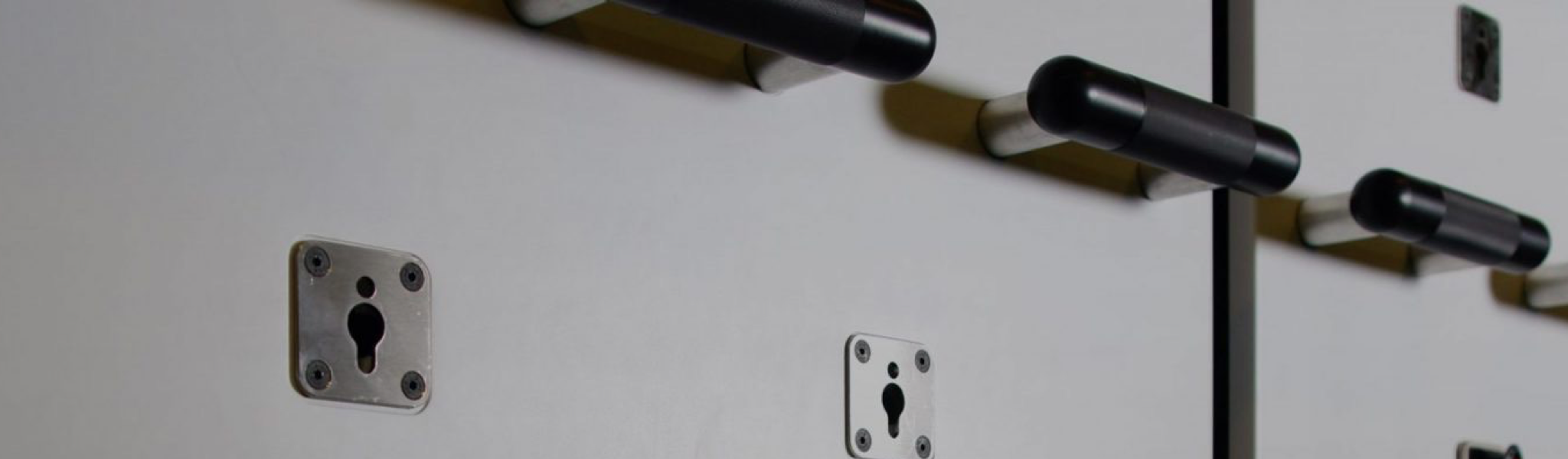
The Climbing Panel offers multiple positions for climbing holds alongside the anchoring system used by Training Wall accessories. This allows the therapist to select contact points according to the intended task.
The shape, size and orientation of a hold influence how the fingers and thumb make contact. A broad hold may accommodate more of the hand, while a smaller contact area can require a more specific finger position. Neither option is automatically better: the relevant question is whether the selected grip matches the person’s current capacity and rehabilitation objective.
A useful distinction is the difference between practising hand placement and loading the grip. Reaching for a hold with the feet firmly supported is a different task from using that hold to support a substantial proportion of body weight.
Forearm rotation and upper-limb positioning
Pronation and supination describe rotation of the forearm. With the elbow bent beside the body, these movements turn the palm downwards and upwards respectively. They contribute to everyday actions such as turning a key or changing the orientation of an object in the hand.
Varying the approach to a hold allows different hand and forearm positions to be explored. When the hand remains fixed on the panel, however, a change in body position may also involve movement at the wrist, elbow and shoulder. This should not be described as isolated forearm rotation.
Changing hold height or elbow position also changes the reaching task. The therapist can observe how the person coordinates these joints and select positions that suit the intended movement, without forcing the wrist or shoulder to accommodate an unsuitable grip.
Progressing the task without losing control
Exercise progression involves more than choosing a smaller hold or increasing effort. Several variables can be adjusted independently:
- Contact: the shape of the hold and the amount of hand contact available.
- Position: the height of the grip, elbow angle and relationship between the body and the panel.
- Support: how much assistance is provided by the feet, the opposite hand or an appropriate support system.
- Duration: the time spent maintaining a position or completing a controlled movement.
- Volume: the number of repetitions and the recovery time between efforts.
Changing one variable at a time makes it easier to interpret the response. The exercise dose and acceptable symptom response should be defined by the treating clinician, particularly after injury or surgery, when tissue-healing restrictions may limit gripping and loading.
Low Gravity as an option for assisted exercise
The Low Gravity Tool, combined with an appropriate harness and setup, allows exercises to be performed with partial body-weight support.
Within a rehabilitation session, this creates an additional way to organise assisted tasks. The amount and direction of support must be considered alongside hand position and foot contact. Supporting the body does not automatically establish a precise or constant load through the fingers.
The setup should therefore be selected and checked for the individual exercise, rather than assuming that every supported configuration reduces hand loading by the same amount.
When does an unstable surface add value?
The original demonstration also proposes adding an unstable surface. This changes the balance demands of the task and can require additional postural adjustments while the hands maintain contact with the panel.
Instability is an optional variable, not a necessary stage of hand rehabilitation. It can also make hand loading less predictable if the person suddenly grips harder to maintain balance. A stable base may be more appropriate when the priority is controlled finger loading or precise upper-limb movement.
A balance challenge should be introduced only when it serves a clear objective and the person can manage it without compromising the intended hand exercise.
From exercise variety to meaningful rehabilitation
The Climbing Panel provides a configurable environment for grip, reaching and coordinated upper-limb tasks. Its value lies in how those options are selected and progressed within an individual rehabilitation plan.
The video illustrates exercise possibilities rather than a treatment protocol for a specific diagnosis. Following hand injury or surgery, strengthening and weight-bearing tasks should be introduced when approved by the treating hand therapist or physiotherapist. Sharp or persistent pain warrants stopping the task and reviewing it with that professional.
Explore the Climbing Panel and Low Gravity Tool, or contact Training Wall to discuss equipment options for your rehabilitation space.