

01 Oct Barre Tool: adding ballet barre and mobility work to a modular space
A well-positioned barre gives the user a clear point of contact for balance, mobility and controlled movement. Barre Tool brings this resource into the Training Wall ecosystem, allowing studios and training centres to integrate barre work alongside their other sessions. Its role can range from a familiar hand support during lower-body exercises to a reference for teaching alignment and changes of weight.
A usable support surface with adjustable positioning
A barre can help organise exercises involving posture, lower-body control and changes of support. It does not prescribe a single method: the useful height, stance, movement amplitude and tempo depend on the class and participant. Coaches can combine barre tasks with other available tools when the sequence makes sense.
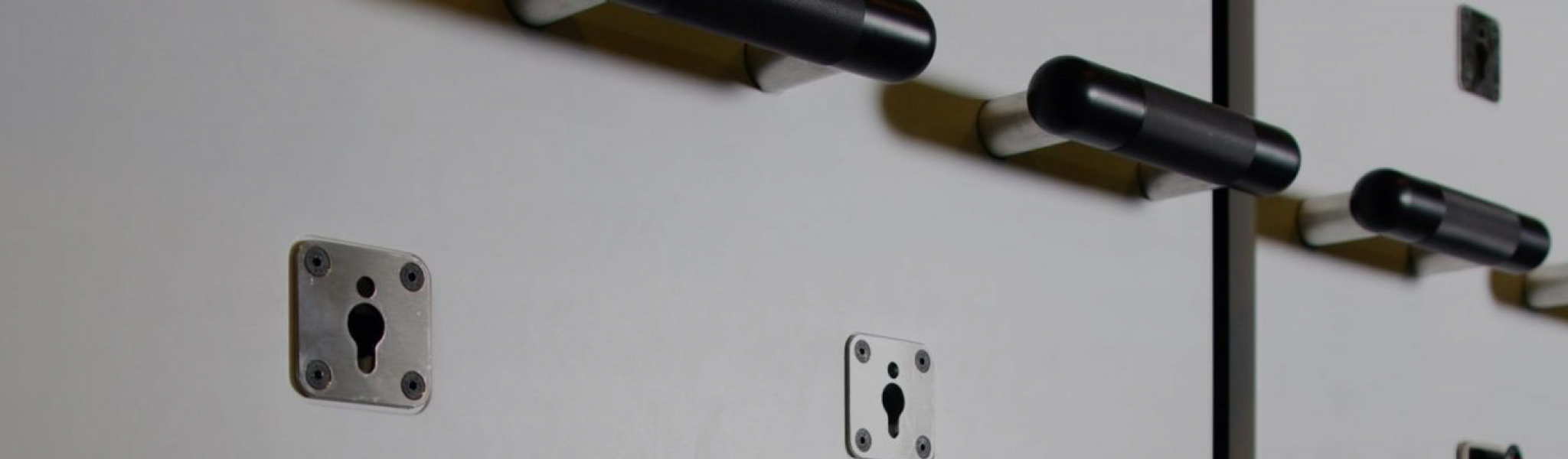
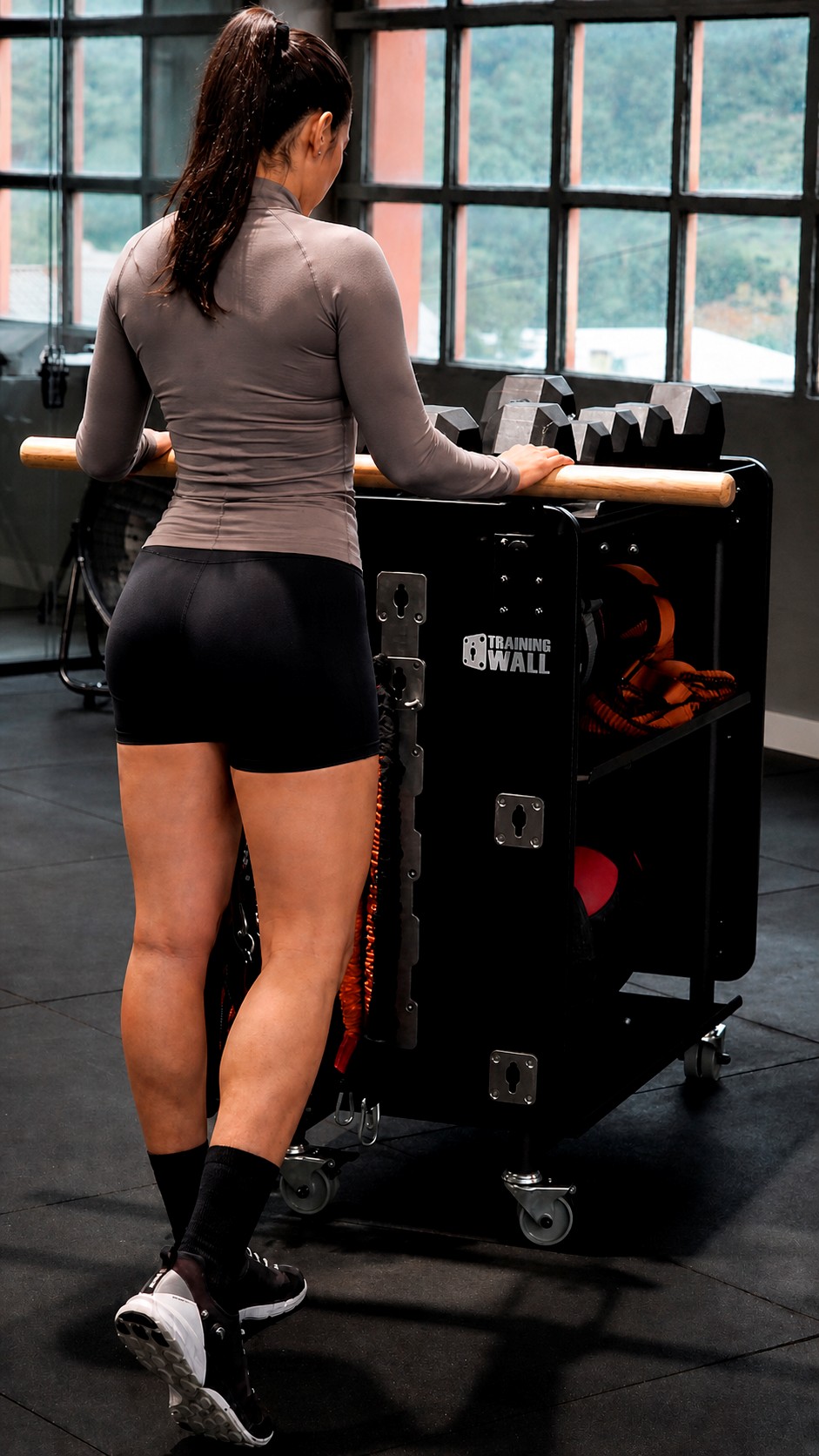
The tool uses a one-metre pine bar with a 45 mm diameter. Its supports sit underneath, leaving the upper contact surface continuous, and two locking-pin anchor points secure the attachment. Height and position can be adapted within the compatible setup. These design details matter because the user needs a comfortable contact point without having to organise the movement around protruding supports.
Barre work within a shared training room
For studios, the design question is where to place the barre and how to keep circulation clear between activities. The Training Wall approach allows a room to support different session types without treating barre work as isolated from the rest of the programme.
Combining Barre Tool with Storage Trolley creates a mobile barre station within the facility. This can help a room change between individual work and other scheduled activities. The available working area still determines the number and arrangement of users. The benefit is being able to place the support where the class requires it, while retaining access to the rest of the equipment.
Use hand contact deliberately
The amount of contact with the barre is part of the exercise description. A participant using it as a light reference is performing a different task from someone relying on more support. Explain the intended role of the hands before introducing lower-body movement. Observe whether that role changes as the exercise continues. This can guide a decision to simplify the task, adjust the position or allow recovery before attempting another variation.
A simple sequence can begin with a comfortable standing position, continue with a deliberate transfer of weight and then introduce a small lower-body movement. The coach chooses the range and support according to the participant’s response. In a shared room, also consider the space beside the barre and the route used to approach it. When a mobile arrangement is used, prepare it according to the relevant instructions before the class begins. The transition between activities should leave the working area ready for the next task, with no loose equipment underfoot.
Building a barre-based movement sequence
- Set the barre position for the participant and the planned movement, rather than using one height for every task.
- Begin with a comfortable hand contact and a simple transfer of weight.
- Add lower-body movement or a change of support while retaining the intended body position.
- Connect the sequence with another training task when the transition supports the session objective.
Barre Tool makes a familiar training resource part of a broader modular installation. For a studio, this means more ways to organise movement practice within the same room and equipment system.
Plan your training space with the Training Wall configurator or contact our team to discuss a configuration suited to your needs.
Sources and resources
The organisation examples and practical stages are editorial suggestions for this article. Adapt them to the objective, the participant and the equipment instructions.