

01 Oct A complete training circuit with TeamMate, SpinWall and Climbing Panel
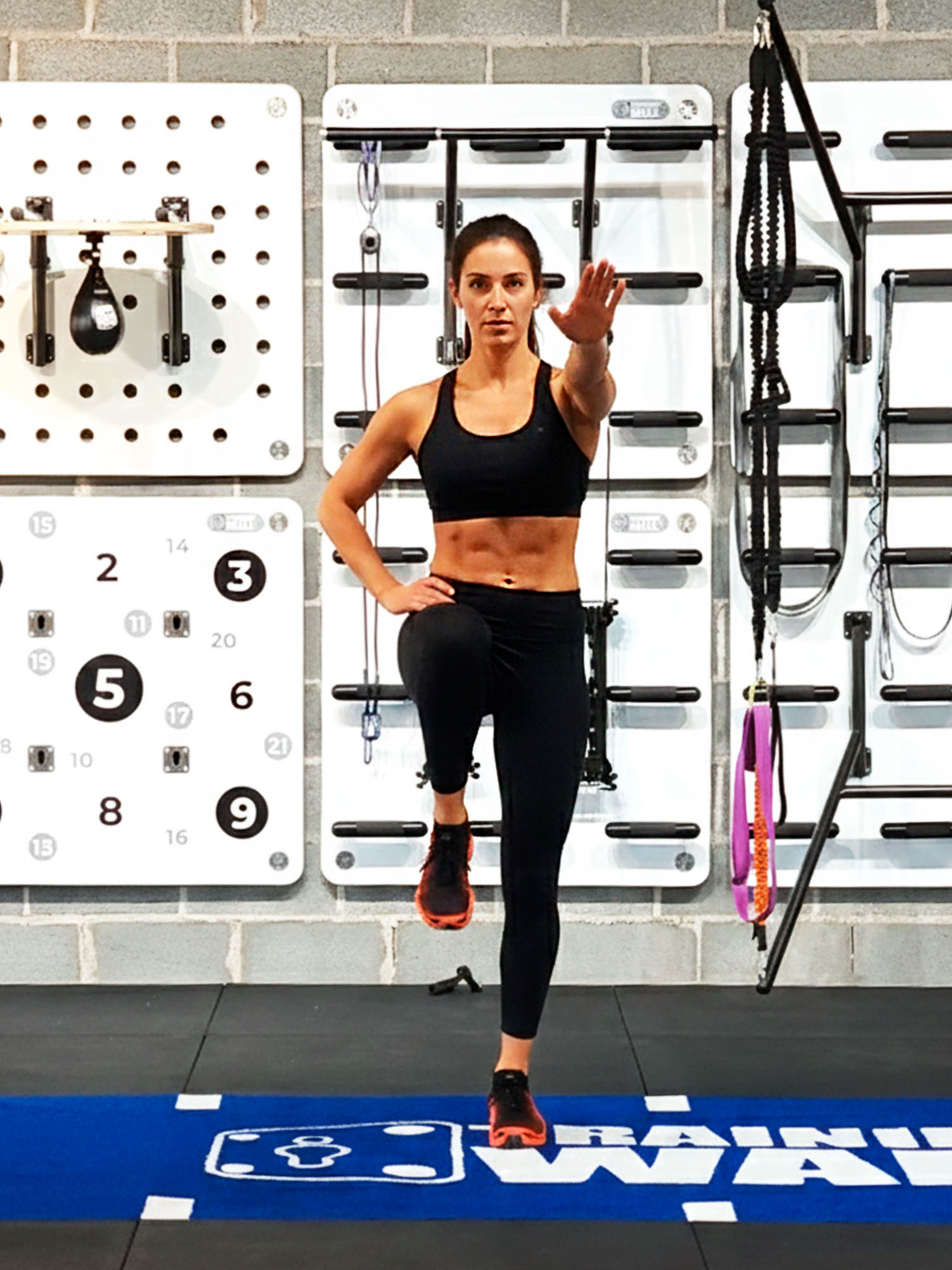
A circuit can connect different training demands without turning the room into a collection of unrelated stations. TeamMate, SpinWall Compact, Speed Trainer, Climbing Panel with Low Gravity and Cardan Tool offer complementary resources for a professionally directed session. The challenge is to select the right combination and organise a sequence that participants can follow while the coach remains able to observe their movement.
Assigning a clear role to each station
TeamMate provides a mobile station. Inertial and elastic tools create different resistance demands, while climbing and supported movement can bring attention to body position and coordination. Cardan Tool adds angled movement patterns. These stations should be selected for the participants and available space.
The station list is a menu rather than a requirement to use everything. One group may need more time learning the return of the flywheel; another may benefit from a simple grip and reaching task on the panel. Assistance and resistance can also be varied within a station, so different participants can work on related objectives without receiving identical demands.
Coaching the transitions between tools
A complete circuit does not require every tool at once. Organise exercises by purpose, set an appropriate work and recovery structure, and allow enough time for setup changes. That makes the session easier to coach and assess.
A transition involves more than moving to the next tool. The participant needs to understand the new starting position, resistance and finish point. Leaving time for a short demonstration can be more valuable than adding another station. Plan the circuit so cables and movement paths do not cross and the coach can intervene without obstructing another user.
Make the circuit easy to follow before making it demanding
A brief station description can include the starting position, the movement and the way to finish or leave the equipment. This is particularly useful when participants rotate between tools that behave differently. Demonstrate unfamiliar stations before the timed work begins, and leave enough transition time for individual adjustments. A circuit that flows smoothly is not necessarily one with the shortest transitions; it is one in which each participant understands the next task.
As a planning example, place a station requiring close instruction where the coach can spend time without losing sight of the rest of the group. Pair it with familiar tasks that participants already know how to perform. Avoid creating a queue around a single tool by checking how long setup and adjustment actually take. After the first round, review execution and traffic through the room before changing the work period. This keeps the circuit responsive to the people using it rather than forcing every exercise into an identical timetable.
A circuit planning sequence for professionals
- Select a small set of objectives, such as controlled strength, reaching and coordinated resistance work.
- Match each objective to a station and define an easier and a more demanding version where appropriate.
- Rehearse the route through the circuit before setting the working rhythm.
- Set work and recovery periods according to the task, then adjust them when execution changes.
A complete approach comes from connecting the tasks, not from the number of stations. The modular system helps the coach assemble a circuit that fits the participants and the available space.
Plan your training space with the Training Wall configurator or contact our team to discuss a configuration suited to your needs.
Sources and resources
The organisation examples and practical stages are editorial suggestions for this article. Adapt them to the objective, the participant and the equipment instructions.